Guide to psychiatric emergency treatment

Original Wu Fei Chat 686

The public is relatively familiar with the emergency department of general hospitals. For sudden physical diseases such as high fever, hemiplegia, coma and trauma, the emergency department of general hospitals is the first choice for treatment. So, what’s the difference between the emergency department in psychiatric department and the emergency department in general hospital? Under what circumstances should psychiatric emergency treatment be the first choice?

Next, I will take you into the psychiatric emergency room to show the real daily psychiatric emergency treatment.

Scene one

In front of the psychiatric emergency department, the 120 ambulance and the police car stopped in tandem, and a young man’s hands and feet on the 120 flat car were fixed by clothes and soft cloth belts. The boy shouted loudly, the content was messy, the speech speed was fast, and he wanted to break away from the constraints and was restless. Around 3-5 family members followed closely, and 120 staff and police escorted together. The scene was a little urgent, chaotic and crowded.

Scene 2

Young female college students came to the clinic accompanied by counselors. After entering the clinic, they asked the counselors to avoid it and whispered that they were under great academic pressure. It happened that they broke up with their boyfriends recently, which was very painful. They felt that life was hopeless and had suicidal thoughts. By cutting yourself, you will feel comfortable and relaxed when you see bleeding. Then you will take off the sunscreen cuff, and your arm will be exposed with shocking red wounds and rows of gray scars that have been cut with a small knife.

Scene 3

In the morning, a middle-aged woman came to the clinic, complaining of sudden palpitation, chest tightness and high blood pressure in recent months. I went to a general hospital for a cardiac examination, and no problems were found. The doctor suggested that I go to the psychiatric department and the patient is considering it. I woke up suddenly after falling asleep tonight, with a severe sense of suffocation, dying, flustered and sweating, and I was very scared. I felt that I couldn’t last tonight.

Scene 4

A mother and son were sent from 120 outside the hospital. The anxious young mother took the boy and called the doctor to see her before she entered the clinic. The patient has been seeing a doctor regularly in the children’s psychiatric clinic for the last two months. Yesterday, an antipsychotic drug was added to the clinic, and each patient took it once yesterday and today. At five o’clock this afternoon, my eyes turned upside down, my eyelids couldn’t be closed, I always looked up, my body tightened, my neck was stiff, my head tilted to one side, and I even walked sideways. It looked particularly uncomfortable. Mom anxiously asked the doctor what was going on.

Under what circumstances should I come to the psychiatric emergency department?

Emergency psychiatry is a branch of clinical psychiatry, and it is also a branch of emergency medicine. Medical staff mainly take emergency medical care measures for patients with mental disorders when they suddenly get sick or their condition suddenly worsens, endangering their own or others’ safety, and serious adverse drug reactions.

Let’s sum up the situation that needs to come to the psychiatric emergency department:

● Psychiatric emergency

Including excitement, injury and destruction, self-injury and suicide, serious hallucinations and delusions, numbness, refusal to eat and water, panic attacks and so on. Among them, excitement, self-injury and suicide are the most common reasons for psychiatric emergency treatment.

Specific performance includes:

Have impulsive tendencies, physical violence, verbal threats, or other risks that endanger the safety of others;

◆ Self-injury behaviors, such as cutting wrists and hitting walls; Or have a tendency to commit suicide, revealing suicidal thoughts to people around them, preparing suicide plans, or committing suicide such as overdose and jumping off a building (when serious physical problems have been caused, even life-threatening ones, you need to go to a general hospital first), such as scenario 2;

◆ Symptom of hallucination and delusion does not belong to psychiatric emergency, but if the content of hallucination and delusion may stimulate the above behaviors, it belongs to emergency category;

◆ Stunned, refusing food and water, or acute mental disorder, sudden nonsense, weird behavior, etc., such as scene 1;

◆ Acute anxiety attack, feeling of dying, flustered and breathless, panic, etc., as shown in Scene 3.

● Serious adverse reactions of psychotropic drugs.

Such as acute dystonia, malignant syndrome and 5-HT syndrome.

Acute dystonia is a kind of extrapyramidal syndrome, which is more than the early stage of taking antipsychotics, and often appears within 48 hours after the first medication. It can be manifested as upturned eyeball, torticollis, difficulty in opening mouth, choking with drinking water, and inverted horn arch. In severe cases, laryngeal muscle tension disorder occurs, which leads to upper respiratory tract obstruction, dyspnea and even life-threatening. This is the case in the fourth scene above.

Malignant syndrome (NMS) is a rare and life-threatening serious adverse drug reaction, which is mostly caused by taking a large number of antipsychotic drugs in combination. It is characterized by high fever, muscle tension, change of consciousness and autonomic nervous dysfunction. NMS may be complicated with rhabdomyolysis, arrhythmia and respiratory failure.

5-HT syndrome is also a potentially fatal syndrome, which usually occurs at the beginning of the use of 5-HT drugs or excessive use, and is rare at therapeutic doses. It is characterized by disturbance of consciousness, tremor, diarrhea, hyperreflexia, myoclonia and high fever.

Some of the above patients can be properly treated in psychiatric emergency. If there are serious comorbidities or life-threatening situations, they need to go to the general hospital for emergency treatment to stabilize their physical condition.

● Psychiatric drug overdose or poisoning

Such as lithium poisoning, antipsychotic poisoning and benzodiazepine poisoning. Note that people who have been poisoned by psychotropic drugs and have potentially life-threatening clinical conditions need to go to a general hospital for treatment first. Poisoning by other substances, such as pesticides, cleaning agents, pesticides, carbon monoxide, etc., should be treated in general hospitals first.

Lithium poisoning usually occurs in people who take lithium for a long time or by mistake. The therapeutic dose of lithium salt is similar to that of poisoning, so it is necessary to monitor the blood lithium concentration when using it. Mild lithium poisoning may cause dizziness, nausea, vomiting and diarrhea, and severe cases may cause limb tremor, nystagmus, ataxia, slurred speech, convulsion and coma.

The symptoms of antipsychotic drug poisoning are atypical, such as hypothermia or hyperthermia, blood pressure drop and even shock, coma, arrhythmia, abnormal electrocardiogram, seizures and so on.

People poisoned by benzodiazepines have a history of overdose or misuse of benzodiazepines, which are manifested as disturbance of consciousness, lethargy, coma, respiratory depression, bradycardia, decreased blood pressure, dizziness and ataxia.

● Mental disorders and acute withdrawal reactions caused by psychoactive substances such as alcohol, opioids, marijuana and central nervous system stimulants.

Alcohol is a psychoactive substance that is easy to obtain in China, so it is common for emergency patients to drink too much and have acute alcohol withdrawal.

Alcoholism is easy to identify. Patients who ingest a large amount of alcohol or alcoholic beverages will suffer from disturbance of consciousness, lethargy, coma, behavioral disorder, obvious ataxia, nystagmus, arrhythmia and shock within a short time.

Alcohol withdrawal refers to a series of symptoms caused by long-term heavy drinkers who suddenly stop drinking or reduce their drinking. There may be sweating, shaking hands, shortness of breath, tachycardia, elevated blood pressure, anxiety and insomnia, and in severe cases, hallucinations, seizures, tremors, delirium, etc., and even life-threatening.

It should be emphasized that when the vital signs of the above patients are basically stable, they can go to the psychiatric emergency department for treatment; If the vital signs are unstable, you should first go to the emergency department of a general hospital to stabilize the vital signs, and at the same time ask the psychiatric department for consultation, or refer to the psychiatric department for emergency treatment after the vital signs are stable.

● Individuals who have recently suffered mental and psychological trauma and suffered obvious social function damage.

Individuals are in an extremely painful and disoriented situation, which seriously affects social functions. For various reasons, when they are temporarily unable to go to the outpatient clinic, they can go to the emergency department for temporary treatment to help patients maintain a stable state before receiving outpatient treatment.

Under what circumstances don’t come to the psychiatric emergency?

● The patient did not come, and relatives and friends came to consult on behalf of the patient;

● Patients who regularly inject long-acting antipsychotics come for long-acting injections;

● Patients who can’t hang the outpatient number or find it difficult to register;

● Patients who need to issue various proof materials such as disease diagnosis;

● Minor patients (younger than 18 years old) must be accompanied by legal guardians;

● Patients with mental disorders who have caused physical injury due to self-injury or suicide, are in life-threatening situations, or are accompanied by consciousness disorder, serious physical illness, high fever, etc., need to go to a general hospital first.

Before reaching the psychiatric emergency department

How do family members cope with patients’ acute condition?

one

When there is an acute attack of mental illness and the patient is at risk of self-injury or injury, the family members should keep calm, find ways to protect the patient, prevent themselves and others from being injured, and send them to the hospital in time. If necessary, actively seek the help of other family and friends or emergency personnel, police, etc.

2

Calm patients’ emotions and avoid quarreling and direct eye contact. If there are sharp instruments beside the patient, try to take them away. If the patient has a sharp instrument in his hand to hurt others, stay away from him and ask the police for help as soon as possible.

three

When patients with mental illness have hallucinations and delusions, avoid arguing with patients about the authenticity of symptoms and seek professional guidance in time.

four

For those who have suicidal thoughts or attempts, or even have committed suicide by self-injury, their families should bring the patients to the hospital as soon as possible. For those who cannot be hospitalized immediately, their families should monitor them 24 hours a day, take care of the drugs and dangerous goods at home, or call the psychological rescue hotline.

five

For the early use of psychotropic drugs, during the period of increasing drug dosage or multi-drug combination, family members need to know the possible adverse drug reactions in advance, and slowly increase or decrease the dosage according to the doctor’s advice to avoid sudden increase or decrease of drugs. When the patient has the serious adverse reactions mentioned above, he should go to the emergency room in time.

six

If there is an overdose, the family members need to quickly identify and respond. When the patient is not sure about the drugs to take, collect the drugs that may be used around the patient, carry the information about drug use and empty medicine boxes, and seek medical advice in time.

seven

Patients with acute withdrawal reactions need to seek medical attention immediately, especially those with alcohol dependence. Wrong withdrawal may lead to serious withdrawal reactions and irreversible brain damage, and even life-threatening, requiring hospitalization or complete withdrawal under the guidance of a doctor.

In most cases, emergency patients have two places to go, hospitalization or outpatient treatment. For patients who can be referred to outpatient treatment, emergency doctors will help to deal with the current emergency, reduce excitement, reduce impulse risk, carry out suicide intervention, etc., to ensure that patients are in a relatively stable state before outpatient doctors receive treatment. For patients who need hospitalization, after receiving temporary emergency treatment, they are waiting for hospitalization according to the emergency hospitalization process.

In psychiatric emergency, ensuring safety is the most important thing, including patients’ physical safety and mental behavior safety, helping patients sort out and solve the most urgent and serious clinical conditions, and winning time and laying a foundation for receiving the next treatment.

Note: The pictures in this article are all from the Internet, so I apologize for the intrusion.

Author: Wu Fei

Peking University Sixth Hospital

Editor ||| He Yingying

Typesetting || White feather

Audit ||| He Xiaoxiao

Peking University sixth hospital gongbu

National mental health project office

Original title: "Guide to Psychiatric Emergency Treatment"

Read the original text

Experts say | Guo Qing: 5G+ "three early" to build a new model of chronic disease health management

  Report to the 20th CPC National Congress of the Party pointed out, "Insist on prevention, strengthen the health management of major chronic diseases, and improve the ability of prevention and treatment and health management at the grassroots level." For a long time, China’s medical and health service system has been centered on "treating diseases". With China’s accelerated aging, people with chronic diseases are also showing a younger trend, and the number of chronic diseases is increasing year by year. The 5G+ "Three Morning" health management system proposes to build a more scientific "health"-centered health service system based on the existing medical and health resources and the Internet ecosystem. Professor Guo Qing, Chairman of the Health Management Branch of the Chinese Medical Association and member of the Expert Steering Committee for Health Promotion and Education of the National Health and Wellness Commission, accepted an interview with CCTV reporters on the significance of the 5G+ "three early" model for the health management of chronic diseases and the challenges of its implementation.

  CCTV reporter: In the field of health services, China faces two major challenges, one is the aging population, and the other is the high incidence of chronic diseases. What do you think is the core task of health management? How to "manage"?

  Guo Qing:"From treating diseases as the center to focusing on people’s health", it is necessary to pay attention to disease prevention and strengthen the health management of chronic diseases. In this regard, the Health Management Branch of the Chinese Medical Association clearly pointed out that the focus of health management is to promote the health of all citizens, put the prevention of serious diseases at the forefront of the strategy, and carry out effective chronic disease health management for hundreds of millions of chronic patients.

  In 2021, I took the lead in successfully applying for three important research projects, whether it was the top ten engineering and technical problems of China Association for Science and Technology, the national natural science foundation project focusing on basic research, and the scene application pilot of the Ministry of Industry and Information Technology in the field of 5G and National Health Commission, all of which focused on the field of "5G+ health management". We use the digital code "533" to organically combine these three projects, which is called "533 Health Management Project". "5" stands for "5g" & mdash; — Because we need the support of 5G, big data, wearable devices and artificial intelligence systems, rely on technology empowerment, innovate health service models, and continuously and dynamically monitor the health status of the body. The first "3" is the core connotation of health management — — Three early, that is, "early screening, early evaluation and early intervention", refers to the prevention-oriented, screening for the whole population to find out the risk factors; Multi-dimensional, multi-level and continuous evaluation of related risk factors causing diseases; Promote health education and health promotion, cultivate healthy lifestyle and behavior habits, and remove risk factors. The second "3" refers to "three complete", that is "The goal of the whole population, all-round and full life cycle. Intervening in all directions will benefit the whole population and cover the whole cycle from the gestation to the end of life for each individual. Popular and easy to remember, "533" means "My life is healthy and endless".

  CCTV reporter: What is the current progress of the "533 Health Management Project"?

  Guo Qing:In 2022, under the guidance of the Office of the Healthy China Promotion Committee, we included the "533 Health Management Project" into one of the specific landing projects of the Healthy China Action. Since the beginning of this year, we have extensively promoted the pilot and landing of the "533 Health Management Project" nationwide. For example, in Zhejiang, Jiangxi, Guangdong, Guangxi and other places, we have carried out pilot projects that extend from hospitals to communities and then to families, affecting the specific landing of millions of people.

  Take diabetes as an example, there are 140 million diagnosed diabetic patients in China, and nearly 500 million people are in pre-diabetes, that is, abnormal blood sugar. In view of this huge group, it is necessary to carry out effective health management of diabetes. The "533 Health Management Project" emphasizes the need to monitor the changes of blood sugar in real time. When the individual has not become a diabetic or is still in the early stage, the blood sugar will be continuously, dynamically and in real time through technical means such as 5G. According to different situations, early warning is issued, and personalized diet and exercise matching scheme is formulated to realize blood sugar control. In addition, there are currently 300 million hypertensive patients in China. In view of cardiovascular and cerebrovascular diseases such as myocardial infarction and stroke, we have also established the landing mode of "533 Health Management Project", and proposed to improve the establishment of the upstream system and carry out continuous, dynamic and real-time monitoring, evaluation and intervention.

  CCTV reporter: From the hospital to the community to the family, how to realize the health management of chronic diseases and improve the health level of residents?

  Guo Qing:It can be said that the "treatment-centered" model in the past few decades has placed the main focus of medical resource allocation on large hospitals. It is not enough to promote the "533 Health Management Project" only by large hospitals, but also by extending from hospitals to community health service institutions that are more closely related to the people. Because their main task is to focus on prevention and carry out the prevention and treatment of common diseases. However, it is not enough to extend to community health service centers, but also to families. For individuals, almost one-third of the time is spent at home, and most activities such as daily life and diet are at home. Extending health services to families can be closely linked with everyone’s daily life and realize effective health management. Due to the limited medical staff, family health services also need to use big data, wearable devices, artificial intelligence systems and other scientific and technological means to monitor the health status of members in real time. Now scientific and technological progress provides us with the possibility of research in this field. In the future, the health management of chronic diseases will certainly develop in this direction.

  CCTV reporter: At present, what are the opportunities and challenges in the implementation of the 5G+ "three early" health management application pilot?

  Guo Qing:Looking at the forefront of international science and technology, the research and development progress of big data, wearable devices and artificial intelligence, and the emphasis on application scenarios in the medical and health field have also provided technical means for 5G+ "three early". Many colleagues in the industry feel that we must seize the once-in-a-lifetime historical development opportunity.

  On the other hand, the challenge we face is that there is no ready-made model for reference, and it is difficult to innovate. As the name implies, "health management project" is called "project", which needs to be implemented, and there are still many unresolved technical problems in the process of promotion. In addition, our professional and technical team should focus on health from the past. According to the demand characteristics of the new service model, we should establish the awareness of active health and attach importance to service, make it clear that everyone is the first responsible person for their own health, and improve public health literacy. Specific to the action, it is necessary to increase the training of professional and technical teams, including the training of a large number of health managers and community health assistants. Regularly hold pilot seminars to share and promote advanced experience nationwide, accelerate the implementation progress, and help the Healthy China Action. (Intern reporter)
Huang Jiong Rui, reporter Zhang Ke, design Yan Ni, proofread Li Yingzhuo)

Shanghai Telecom builds high-quality and beautiful digital new life, promotes gigabit speed on a large scale, benefits 3 million families, and promotes 2000M home broadband first.

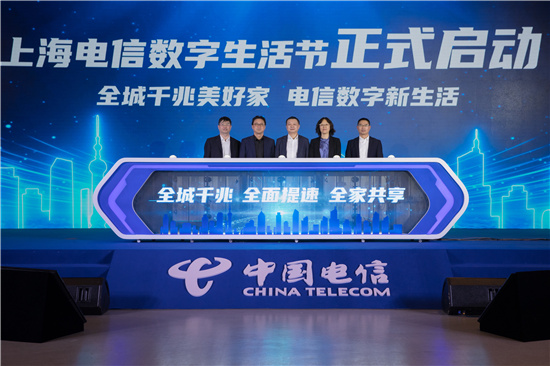
On November 19th, China Telecom Shanghai Company (hereinafter referred to as Shanghai Telecom) held the 2021 Digital Life Festival conference, launched the 11th round of broadband speed-up action, implemented "Gigabit speed-up in the whole city, all-round speed-up, family sharing", promoted gigabit speed-up on a large scale and increased the scale of Gigabit users, provided high-quality networking services to meet the different needs of different users, and launched a 2000M home broadband package. At the same time, Shanghai Telecom has created a variety of digital portals, provided leading digital applications in the innovation industry, and promoted the arrival of a new era of digital life for all.

Ruan Li, Deputy Director of Shanghai Economic and Information Technology Commission, Zhao Dandan, Deputy Director of Shanghai Health and Wellness Commission, Wang Tianguang, Deputy Director of Shanghai Communications Administration, Zhao Hongwei, Vice Chairman of Science and Technology Committee of Shanghai Songjiang District CPPCC, Gong Bo, General Manager of China Telecom Shanghai Company, and Bian Yanfeng, General Manager of Tianyi Digital Life Technology Co., Ltd. attended the ceremony, and guests from relevant municipal and district government departments, representatives of cooperative enterprises and industrial chain partners attended the conference.

Shanghai Telecom’s move is following many leading moves, such as building the first broadband city in China in 2005, the first broadband city in 2011, the first gigabit city in the world in 2018, and taking the lead in launching the "3 Gigabit" upgrade in 2020. Shanghai Telecom once again leads the trend. Moreover, this time it is not just a "hardware upgrade" of information infrastructure. At the same time, Shanghai Telecom pays attention to deepening customer needs and application scenarios, building an integrated digital life product and service system, and truly realizing the digital transformation of life.

"Shanghai Telecom hopes to work together with its partners to make Shanghai a gigabit leading city and provide better products and services for the general public, and jointly enter a new era of digital life of’ the digital life of gigabit telecommunications in the whole city’." Gong Bo, general manager of Shanghai Telecom, said at the press conference.

At the press conference, Shanghai Telecom signed the Agreement on Building a Gigabit City with the competent commissions in Changning District, Songjiang District, Jing ‘an District, Baoshan District, Hongkou District and Pudong New Area, so as to light up the "Gigabit Broadband Community" in the whole city, carry out broadband upgrade to Gigabit, build a digital home, and release new digital application scenarios, so that the general public can truly enjoy the convenience and benefits brought by "Gigabit in the whole city".

The city is gigabit, so that more users can use and make good use of Gigabit broadband.

Whether it is digital industry or intelligent life, it is inseparable from a solid base, which is Gigabit network. Gigabit network is like a "blood vessel", which connects thousands of households and industries at high speed and safely, realizes the integration and sharing of the physical world and the digital world, and promotes the improvement of digitalization level.

As the vanguard and main force of Shanghai’s urban informatization construction, Shanghai Telecom has been actively promoting the upgrading of urban informatization level and promoting Shanghai’s comprehensive digital transformation and upgrading.

In 2016, Shanghai Telecom took the lead in launching gigabit broadband construction and scale promotion plan in China, and officially promoted gigabit broadband access services throughout the city. In 2018, Shanghai Telecom successfully upgraded FTTH (fiber-to-the-home) network in the whole city on the basis of completing the super project of the cooperative construction of ultra-large-scale access network and metropolitan area network, realizing the city-wide coverage of gigabit optical fiber network, thus building the world’s first gigabit city. Since then, Shanghai Telecom has fully launched the construction of "5G+ Optical Network Double Gigabit Demonstration City" in 2019, and in 2020, it took the lead in promoting the "Three Gigabit Upgrade" of Gigabit 5G, Gigabit Broadband and Gigabit WiFi.

The "small goal" of the city’s gigabit coverage, Shanghai Telecom has been completed in 2018, and has now covered 10 million home users in the city. However, for Shanghai Telecom, building a gigabit optical network is not the ultimate goal. The key is to make users widely use it and make good use of gigabit broadband.

Promoting gigabit speed-up on a large scale and increasing the scale of gigabit users is the core content of Shanghai Telecom’s "Digital New Life of Gigabit Home Telecom in the City".

To this end, Shanghai Telecom has launched the activity of "Using Telecom 5G, Increasing the Age of Broadband Network by Gigabit". For telecom 5G home users, and the broadband network age is 10 years or more, the home broadband is directly accelerated to 1000 m; The network age is 5 to 10 years (excluding 10 years), and the home broadband speed is directly increased to 500 m; If the net age is less than 5 years (excluding 5 years), the speed can be increased to 1000M at a preferential rate. This broadband network age acceleration activity for 5G users in telecom households is expected to benefit 3 million broadband users in Shanghai Telecom. For non-5G home users, after upgrading to 5G package, they can also participate in broadband network age acceleration activities.

At the same time, users can also participate in the perfect 5G convergence package, which can not only use the communication service with the highest broadband rate of 1000M, the highest traffic rate of 300G/ month and the highest voice rate of 3000 minutes/month, but also share the package content with up to ten mobile number cards, which is more cost-effective for the whole family. They can also participate in popular activities such as the direct drop of 5G mobile phones, the doubling of package traffic, and the rights lottery.

Through this action, it is estimated that by the end of 2021, broadband users of 500M and above will account for at least 25% of Shanghai Telecom’s broadband users, and by the end of 2022, 1,000 m users will account for 40%.

2000M broadband is launched, and high-quality networking services are upgraded.

Shanghai Telecom is a leading broadband operator in Shanghai, occupying a dominant position in the market. At present, there are 4.5 million home broadband users in Shanghai Telecom, and the average bandwidth of users exceeds 300M m..

Driven by Shanghai Telecom, Shanghai’s network speed continues to lead in China. According to the data of Broadband Development Alliance, in the second quarter of 2021, the average available download rate of fixed broadband in China reached 56.7Mbit/s, while the average available download rate of fixed broadband in Shanghai reached 60.06Mbit/s, ranking first among all provinces (autonomous regions and municipalities) in China. In terms of gigabit broadband development, by the end of September this year, broadband users of 1000Mbps and above in Shanghai accounted for 6.2% of the total users, significantly ahead of the national average of 4.05%.

Although the network speed level is in the lead in China, Shanghai Telecom has not stopped. At the press conference, Shanghai Telecom launched a heavy measure and released a 2000M home broadband package, which brought users a high-quality experience of millisecond network delay, super gigabit high bandwidth and over 256 smart device connections.

During World Telecommunication Day 517 this year, Shanghai Telecom officially launched the whole-house Gigabit service based on FTTR (Fiber to Room), which extended the optical fiber from the home information box to every room in the home. Up to now, nearly 20,000 users have used the FTTR-based whole-house Gigabit service of Shanghai Telecom. At the press conference, Shanghai Telecom announced that broadband can be accelerated to 2000 m free of charge for users of existing whole-house Gigabit gift packages (monthly rental version); From now on, users of 199 and above perfect integration package will apply for the whole house gigabit package (monthly rental version), and broadband can enjoy 2000M directly.

On the basis of 2000M home broadband, Shanghai Telecom has formed a more complete product system, which can meet the needs of different users and provide high-quality networking services, including: whole-house WiFi service consisting of "Broadband+WiFi6", whole-house WiFi exclusive service consisting of "Gigabit Broadband+WiFi6+", whole-house Gigabit service consisting of "Ultra Gigabit Broadband+FTTR" and "Ultra Gigabit Broadband+FTTR+"

Create full-scene applications and share a new era of digital life.

Shanghai Telecom has continuously consolidated the development base of digital economy, built an integrated digital life product and service system, and provided all-round digital life services for urban and rural residents.

Shanghai Telecom said that on the basis of "5G+ Broadband +WiFi" 3 Gigabit, it will gather a wealth of pan-intelligent terminal categories, and provide personalized design, own combination and professional delivery of intelligent customized solutions for the whole house. Based on a variety of explosive terminals, it will focus on creating a series of scene applications such as smart homes and digital homes, giving users diverse choices.

Relying on "Gigabit Broadband+Whole House Gigabit +5 Smart Home Scenes", Shanghai Telecom has built a smart model room for home users. Gigabit access coverage in the whole house eliminates the dead angle of signal in the home. Winglet Manager APP can control multi-brand terminals to realize scene linkage and interactive experience. On this basis, Shanghai Telecom provides users with five intelligent scenes of the whole house, such as intelligent life, intelligent balcony, intelligent bedroom, intelligent access control and intelligent lighting, which gives them a sense of security, makes the whole house appliances smart every second, and makes the whole house lighting be controlled at will, and bid farewell to manually opening and closing curtains.

It is difficult to do things at home, send and receive express delivery, and charge cars … People have been troubled by these troubles for a long time. The digital home resource aggregation service platform created by Shanghai Telecom provides digital applications such as open government affairs, smart party building, healthy old-age care, smart travel, family entertainment, surrounding business districts, and one network office to help people have a happy and warm home and eliminate these troubles.

Information technologies such as 5G, artificial intelligence, big data and Internet of Things have profoundly changed the health service and management mode. Based on its powerful cloud network resources and computing power resources, Shanghai Telecom has joined hands with industrial chain partners such as Shangtang Technology to enable "5G+AI" to empower more hospitals, promote the establishment of a fast and accurate intelligent medical system, and help solve major livelihood issues such as people’s difficulty in seeing a doctor.

There is also cloud broadband, which provides users with high-quality services of cloud network integration. Cloud broadband is to build a cloud-edge collaborative broadband system based on edge cloud. Personalized management and control are realized through a software-based virtualized cloud gateway, and broadband access is cloud-based, providing users with unique cloud network integration quality services.

The professional service team led by the national model workers is a powerful guarantee for Shanghai Telecom to provide users with quality digital life. At present, Shanghai Telecom has more than 5,000 gold medal engineers to provide users with digital life services.

The whole city lights up the "Gigabit Broadband Community" and accelerates the landing of the scene system.

At the launch conference of Digital Life Festival that day, Shanghai Telecom signed contracts with the competent commissions in Changning District, Songjiang District, Jing ‘an District, Baoshan District, Hongkou District and Pudong New Area. The two sides jointly focused on key areas and industries, focusing on information infrastructure, smart community governance, digital home and other aspects, and accelerated the implementation of the digital life application scenario system as soon as possible.

First of all, through the activity of speeding up the age of home broadband network, the "Gigabit Broadband Community" will be lit up one by one, so as to further increase the broadband rate and ensure that the proportion of users 500M and above in the region will reach 25% of all fixed broadband users before the end of the year. Secondly, we should make concerted efforts to refine the scene requirements on the basis of the life cycle management of community data, build benchmark cases, and build a "digital home" governance service system with more in-depth one network management, one network management and more perceptive people’s livelihood services, so as to jointly promote digital beautiful homeland and build a smart community. Furthermore, build a digital home, actively carry out smart home business, provide FTTR (light to room) /FTTD (light to desktop) access for residents, promote the popularization of home networking, build a home network environment with high bandwidth, wide coverage, low power consumption, strong security and easy management, and provide more rich smart home products and applications.

Looking forward to the future, Shanghai Telecom will continue to join hands with industrial partners for mutual benefit and win-win with the development concept of openness and integration, and strive to build an innovative ecology of digital life to better meet the people’s growing needs for a better digital life.

Is Musk’s visit to China "Catfish" coming? Did FSD accelerate its landing in China?

Tesla CEO elon musk visited Beijing on April 28th at the invitation of China Council for the Promotion of International Trade. During this period, he met with Li Qiang, Prime Minister of the State Council, China. Li Qiang emphasized that Tesla’s growth in China is a model of Sino-US economic and trade cooperation, and reiterated China’s position of opening to the outside world, welcoming foreign-funded enterprises, including Tesla, to enjoy a better business environment and stronger support. Musk spoke highly of Tesla Giga Shanghai’s performance and expressed his desire to deepen cooperation in order to achieve more win-win results.

Tesla officially announced that the company will continue to develop in China, focusing on the fields of artificial intelligence, electric vehicles and energy storage, accelerating the application of clean energy and autonomous driving technology, and turning the vision into reality. Musk’s visit to China was speculated to be related to the promotion of the deployment of Tesla’s fully automatic driving system (FSD) in China, which has not yet officially landed in the world’s second largest market.

The market expectation for Tesla FSD in China is growing day by day, and Tesla also needs this technological advantage to attract more consumers in China. In the face of declining performance in the first quarter and fierce competition from China brands in the field of new energy vehicles, autonomous driving has become the key for Tesla to consolidate its market position. Tesla FSD technology has matured, adopting "end-to-end neural network" technology and training based on massive driving data, which is approaching the edge of large-scale commercial use, indicating a huge potential benefit.

Tesla has set up a data center in China to comply with local data management regulations and ensure that all vehicle data are stored locally. In order to accelerate the popularization of FSD, Tesla recently lowered the subscription and purchase price of FSD in the US market, showing its determination to expand the coverage of this service.

According to industry observation, if FSD can successfully enter China, it will challenge the local autonomous driving scheme and stimulate industry innovation and competition. Tesla’s remarkable advantages in autonomous driving technology, especially the data-driven pure vision scheme, keep it in the leading position even in the face of high-cost fusion sensing technology opponents. With the news of deepening cooperation with Shanghai, Shanghai may become the first place where Tesla FSD is deployed in China, and Tesla’s compliance progress in data processing has also cleared the way for the landing of FSD.

Annual profit! Jingdong Logistics’ annual revenue is 137.4 billion yuan, and the income of external customers accounts for nearly 70%.

  On March 9, Jingdong Logistics released its 2022 annual performance report. In 2022, the revenue of Jingdong Logistics reached 137.4 billion yuan, a year-on-year increase of 31.2%.

  Among them, the income of external customers reached 89.1 billion yuan, a year-on-year increase of 50.8%, accounting for nearly 70%. At the same time, in 2022, the service income of Jingdong logistics integrated supply chain was 77.4 billion yuan, and in 2022, the income of other customers such as express delivery and express delivery reached 60 billion yuan, a year-on-year increase of 78.3%.

  In addition, Jingdong Logistics continues to expand the scale of high-quality employment. Including Debon, Jingdong Logistics has more than 370,000 front-line employees, and has signed formal labor contracts for front-line employees, paying "five insurances and one gold".

  Yu Rui, CEO of Jingdong Logistics, said that in the face of complex and changeable external environment, more and more enterprises began to pay attention to supply chain management and make changes to further reduce costs and increase efficiency, which will promote the continuous growth of enterprises’ demand for integrated supply chain logistics services.

  Customers whose annual contribution exceeds 10 million account for more than half of the income.

  In 2022, the annual revenue of Jingdong Logistics reached 137.4 billion yuan, of which the customer income of integrated supply chain reached 77.4 billion yuan. The financial report shows that the performance growth is mainly due to the continuous growth of the number of customers in the external integrated supply chain and the average income of a single customer.

  In 2022, there were nearly 80,000 customers in the external integrated supply chain of Jingdong Logistics, and the average income of a single customer in the external integrated supply chain reached 365,000 yuan. According to the financial report, in 2022, among the customers’ income of external integrated supply chain, more than half of the customers’ income contributed over 10 million annually; The number of external integrated supply chain customers whose annual income contribution exceeds 100 million yuan has reached 26, and the average cooperation duration has exceeded 4 years.

  In 2022, Jingdong Logistics made many moves in live e-commerce. Since becoming the first logistics enterprise to access the "voice-to-voice" service of Tik Tok e-commerce, the cooperation service scope between Jingdong Logistics and Tik Tok e-commerce has further extended to the supply chain field, and by December 31, 2022, it has served more than 20,000 Tik Tok e-commerce platform merchants. During the Spring Festival in 2023, JD.com Logistics also became the official logistics partner of Aauto Quicker e-commerce, providing uninterrupted delivery service for the majority of Aauto Quicker e-commerce merchants and consumers. It is worth mentioning that FMCG is the industry with the highest proportion of logistics revenue in the external integrated supply chain of Jingdong Logistics.

  In 2022, the income from other customers, including express delivery and express delivery, reached 60 billion yuan, up 78.3% year-on-year, with the fourth quarter increasing by 115.7%. According to the financial report, as of December 31, 2022, Jingdong Logistics has operated more than 1,500 warehouses and more than 2,000 cloud warehouses nationwide, with a total management area of over 30 million square meters.

  According to the financial report, at present, JD.COM Airlines has three routes, namely Shenzhen-Hangzhou, Nantong-Beijing and Shenzhen-Wuxi, focusing on meeting the needs of customers in high-end consumption and manufacturing industries, and will gradually build an aviation logistics network covering major domestic cities with domestic key aviation hubs as the fulcrum in the future.

  In terms of green sustainability, Jingdong Logistics released its first ESG report after listing in May last year. While focusing on its own carbon reduction, Jingdong Logistics has also joined hands with upstream and downstream partners in the supply chain to build a green supply chain ecosystem. 2022 is the fifth anniversary of the launch of Qingliu Plan. Jingdong Logistics released the Guide to Carbon Neutralization in Logistics Parks, and took the lead in proposing a complete solution for carbon neutrality in logistics parks. In addition, Jingdong Logistics is the first large-scale logistics enterprise in China to invest in electric vehicles, and provides clean energy vehicle transportation services for many customers to promote the sustainable and high-quality development of social green supply chain.

  Have more than 370,000 front-line employees, sign a formal labor contract and pay "five insurances and one gold"

  In the third quarter of 2022, after Jingdong Logistics completed the acquisition of Debon Logistics, it quickly acquired a nationwide express network.

  In addition, Jingdong Logistics continues to expand the scale of high-quality employment. Including Debon, Jingdong Logistics has more than 370,000 front-line employees and 290,000 self-owned distribution personnel.

  On November 22nd last year, JD.COM Group issued an internal letter, and Liu Qiangdong, the founder and chairman of the board of directors of JD.COM Group, said in an email to all employees that the treatment of employees and executives should be "one promotion and one reduction".

  On the one hand, gradually transform the outsourced employees into Debon’s own employees to ensure that every Debon employee can be "provided with a sense of security and medical care"; At the same time, a "housing security fund" will be set up for all grassroots employees such as logistics and customer service, including all Debon employees. JD.COM will invest tens of billions in providing interest-free loans for grassroots employees in the next decade; Third, Liu Qiangdong himself will donate another 100 million yuan, and JD.COM Group and various business groups will also take out a certain proportion of cash to greatly expand the scale of the "employee children’s relief fund"; In addition, in order to improve the welfare benefits of grass-roots employees and reduce the pressure on the company as much as possible, since January 1, 2023, the cash salary of senior managers of JD.COM Group has been reduced by 10% to 20%, and the higher the position, the more it will be reduced.

  The financial report shows that the number of employees in JD.COM system has increased from 260,000 at the beginning of 2020 to over 550,000 by the end of 2022, with an increase of 290,000 employees. Jingdong Logistics has become one of the few logistics enterprises in the industry to sign formal labor contracts for front-line employees and pay "five insurances and one gold". In 2022, the salary and welfare expenditure of front-line employees of Jingdong Logistics reached 44.6 billion yuan, and the accumulated expenditure in the past three years was 106.5 billion yuan.

Mutton soup, glutinous rice … What kind of food do you prefer?

  Chinanews. com client Beijing, January 6 (Reporter Shangguan Yun) "It’s cold and cold, frozen into a ball." As can be seen from the name, a major feature of the slight cold solar terms is "cold". It is the fifth solar term in winter, and the time is between January 5 and 7 of the Gregorian calendar. It is generally believed that slight cold marks the coldest day of the year.

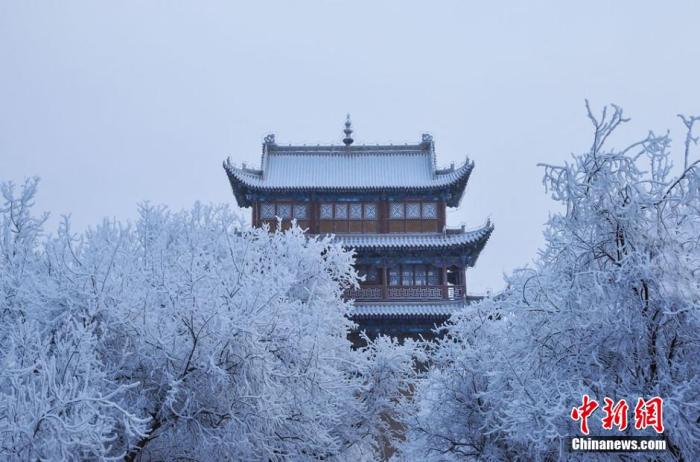
  Data Map: During the slight cold season, Jiayuguan City, Gansu Province ushered in a heavy snow. Photo by Shi Yonghong

  Slight Cold Solar Term and "24 Hua Xinfeng"

  In chronological order, slight cold is the 23rd solar term among the 24 solar terms, and it is also the end of the second month of the Ganzhi calendar and the beginning of the ugly month. At this time, the sun is located at 285. For China, it was around the "March 9th" and the temperature was extremely low.

  The origin of the name of the slight cold solar term is recorded in twenty-four solar term: "On the December Festival, the cold is still small at the beginning of the month, so it is cloudy and the half moon is big."

  In fact, slight cold, like severe cold, slight summer heat, severe summer heat and summer heat, is a solar term that indicates the change of temperature. When slight cold arrives, it means going out on the ice for three or nine days.

  In ancient China, people took five days as a waiting period and three days as a solar term. Every winter comes and spring comes. There are 24 seasons in the eight solar terms from slight cold to Grain Rain. Every season, some kind of flower blooms, so there is the saying of "24 Hua Xinfeng".

  Twenty-four times Hua Xinfeng is also called twenty-four winds. Volume I of "Show Numerous Dews" wrote: "When flowers bloom in March, the wind is famous and flowers believe in the wind." Specific to the slight cold, it is "one plum blossom, two camellia, and three daffodils".

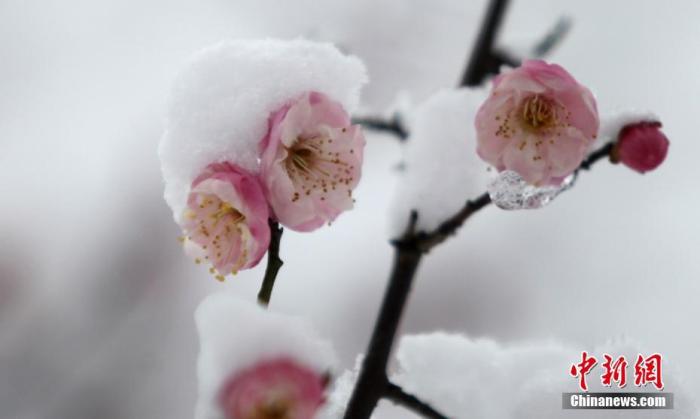
  Data map: The picture shows the plum blossoms that are proud of snow. Photo by Meng Delong

  Ice play, enjoy the plum blossom … … Xiao Han can still live like this.

  Although it is very cold in winter, there are still many fun games, such as skipping rope, kicking shuttlecock and rolling hoop … … It’s fun and can exercise. If it snows, it will be better. People in calling friends will have snowball fights and make snowmen together, and soon their blood will be smooth and their whole bodies will be warm.

  In addition, the ice age is long in winter, especially in some areas in the north, where the river is frozen thick, people will prepare "ice beds" and play on the ice. Those who are more daring put on skates and race on the ice, which was called ice play in ancient times.

  For example, Yiqingge Miscellaneous Copy records many old customs in Beiping, which reads: "In the Ming Dynasty, those who tasted good deeds in Jishuitan, joined more than ten beds, took baskets of wine and utensils, spread them on them, and drank ice, which was also full of fun."

  Mutton soup, glutinous rice: What kind of food do you prefer?

  During the slight cold season, it used to be the busiest time for old Chinese medicine practitioners and traditional Chinese medicine pharmacies: all the pastes cooked in winter were eaten almost. At this time, some people will cook a little more and eat it before and after the Spring Festival.

  Data Map: The Laba Festival in 2017 just met the slight cold solar terms, and Beijing ushered in snowfall. Zhongxin.com reporter Li Qingshe

  In order to resist the cold, people’s daily diet also focuses on choosing warm food. For example, mutton can be made into mutton soup, braised mutton and other delicacies, which are very popular.

  In addition, according to "Miscellanies of Jinmen", there was a custom of eating yellow sprouts in Tianjin in the old days. "Yellow sprouts" are made of Chinese cabbage buds, which are delicious and crisp. At that time, the supply of fresh vegetables in winter was very limited, which was considered as a delicious food in winter.

  Old Beijing pays attention to eating hot rice and mutton noodles. As the name implies, "hot rice" should first take chopped green onion and then put vegetables, soup, rice and other things into it for cooking. After cooking, it is also fragrant. (End)

Increasing knowledge: what is the significance of the characteristics of Chinese historical dynasties?

1. Paleolithic Age in China (about 3 million years ago-about 10,000 years ago)

1. Introduction to Paleolithic Age

Paleolithic period, the stage of human material and cultural development marked by the use of forged stone tools (see stone tools). The geological age belongs to the late Pliocene to the Pleistocene, starting about 3 million years ago and continuing until about 10 thousand years ago.

"Paleolithic Age" is a concept of time zone put forward by archaeologists. The so-called Stone Age does not mean that people at that time only used stone tools.

2. Paleolithic characteristics

People in this period of Paleolithic mainly hunted, fished and collected by making simple tools. Take Beijingers found in Zhoukoudian, Beijing, China as an example. According to research, they used stone tools and wooden sticks to hunt wild animals and knew how to collect fruits to satisfy their hunger.

They mainly lived in caves, but in archaeology, a large number of traces such as charcoal, ashes and burnt bones were found in their caves, indicating that people at that time had mastered the technology of using fire and would cut down trees as fuel.

The main characteristics of paleolithic human beings are that the stone tools are mainly made of stone tools, including stone axes, chopping devices, scrapers, pointy devices and so on; Bone horn is very developed, and new tools such as bone fork, bone needle, bone fish dart and spear throwing device have appeared. Have learned to make, have begun to learn to sew, make decorations, paintings and sculptures; There has been the earliest burial custom.

3. Development of Paleolithic Age

Generally speaking, in the early Paleolithic period, human beings had learned to use fire, bone tools appeared in the middle period, simple combined tools were made in the late period, and matriarchal clans began to form.

Yuanmou ape-man, Lantian ape-man, Beijinger, Jinniushan man and caveman are basically in this period.

2. Neolithic Age in China (ranging from about 10,000 years ago to about 5,000 years ago to more than 2,000 years ago)

1. Introduction to the Neolithic Age

Neolithic Age is a time period set by archaeologists, which started about 10,000 years ago and ended from 5,000 years ago to 2,000 years ago.

Neolithic Age refers to the last stage of the Stone Age in archaeology, and the stage of human material and cultural development marked by the use of grinded stone tools.

This name was first put forward by British archaeologist lubbock in 1865. This era has entered the Holocene in geological age, and developed after the Paleolithic Age or the transition of the Mesolithic Age, belonging to the late Stone Age.

2. Characteristics of Neolithic Age

(1) the emergence of primitive agriculture;

(2) the manufacture of pottery;

(3) the extensive use of polished stone tools;

(4) The emergence of villages and the formation of clan system.

3. The significance of the Neolithic Age.

The agricultural revolution in the Neolithic Age has far-reaching significance. The emergence of agriculture and animal husbandry has transformed the human economy from a predatory economy based on gathering and hunting in the Paleolithic to a productive economy based on agriculture and animal husbandry.

Humans have changed from food gatherers to food producers. This change in the way of obtaining food has changed the relationship between man and nature. The occurrence of agriculture and animal husbandry marks a leap in human understanding of nature, and marks that human beings have changed from relying on and adapting to nature to using and transforming nature in terms of "the production of food, clothes, housing and tools necessary for this".

All the production activities of agricultural animal husbandry require human beings to know more about and transform nature and use natural resources to serve human economy. On the basis of agricultural production, people began to observe the activities of the sun, moon and stars, the characteristics of water and soil, and climate phenomena, and accumulated experience, thus generating preliminary knowledge of astronomy, geography and mathematics, and pushing human understanding of the objective world to a new height.

Third, China Xia Dynasty (about 2070-1600 BC)

1. Introduction of Xia Dynasty

Xia Dynasty was the first hereditary dynasty recorded in China’s history books. There are a certain number of bronze and jade ritual vessels in the cultural relics of the Xia Dynasty, dating from the late Neolithic Age to the early Bronze Age.

According to historical records, the biography of Yu was located in Ziqi, which changed the abdication system of primitive tribes and initiated the hereditary precedent in China for nearly 4,000 years. Therefore, the "home world" in China’s history began with the establishment of the Xia Dynasty.

2. Characteristics of Xia Dynasty

(1) The Xia Dynasty established armed forces, established official posts and prisons, and formulated criminal laws. The establishment of this whole set of state machinery shows that the Xia Dynasty has already possessed the characteristics of a country;

(2) Economically, Xia Dynasty belonged to the era of gold (copper) and stone, and its initial economic development laid the foundation for the economic prosperity of future generations;

(3) Culturally, some outstanding cultural achievements of the Xia Dynasty, such as the Xia calendar, have a far-reaching impact on future generations.

3. The significance of the establishment and development of Xia Dynasty.

It represents the improvement of productivity and the progress of mankind, and it is the beginning of slave society in China.

The direct cause of the establishment of the Xia Dynasty probably originated from the Yellow River, which was flooded in the era of Three Emperors and Five Emperors. Because the flood affected the production and life of the surrounding people for a long time, Dayu mobilized all ethnic groups in China to carry out water control work for 20 years, which not only united the Chinese ancestors unprecedentedly, but also greatly enhanced his reputation. After the flood was cured, with the improvement of living environment, the first unified kingship was established.

Fourth, China Shang Dynasty (about 1600 BC-about 1046 BC)

1. Introduction of Shang Dynasty

Shang Dynasty, the second dynasty in the history of China, is the first dynasty in China with direct written records of the same period.

Shang Tang, the monarch of Shang Kingdom in Xia Dynasty, led the kingdom to destroy Xia Hou in the battle of Mingtiao, and established Shang Dynasty in Bo (now Shangqiu) with "Shang" as the title. After that, the capital of Shang Dynasty moved frequently, and it was not until its descendant Pan Geng moved to Yin (now Anyang) that the capital was established in Yin for 273 years, so the Shang Dynasty was called Yin or Yin Shang by later generations.

The Shang Dynasty experienced three major stages. The first stage is "first business"; The second stage is "early business"; The third stage is the "Late Shang Dynasty", which has been passed down from generation to generation to 31 kings in the 17th century, lasting for more than 500 years. Di Xin, the last monarch, set himself on fire and died after being defeated by Zhou Wuwang in the battle of Makino.

The excavation of Yin Ruins confirmed the existence of Shang Dynasty in China. The Shang Dynasty was in the heyday of slavery, and the slave owners and nobles were the ruling class, forming a huge bureaucratic ruling institution and army. The records of Oracle Bone Inscriptions and Jinwen are the earliest systematic written symbols in China. During the Shang Dynasty, there were also developed non-Central Plains civilizations in the Yangtze River Basin.

2. Characteristics of Shang Dynasty

Worship ghosts, slavery economy, bronze ware is expensive, and Oracle bones and tortoise shells are the main ones.

Shang Dynasty’s records of astronomical phenomena and the application of the time-keeping method of cadres and branches were reflected in Oracle Bone Inscriptions. Agriculture, animal husbandry and aquaculture in Shang Dynasty developed rapidly, especially handicrafts, and the smelting and manufacturing of bronzes were quite mature, and all kinds of commonly used utensils, ritual vessels and wine vessels were very exquisite.

3. Historical significance of Shang Dynasty.

In Shang Dynasty, the state machinery was constantly strengthened, and great achievements were made in economy and culture. Its activity area and influence far exceeded that of Xia Dynasty, which laid the foundation for the further development of ancient civilization in China and occupied an important position in the history of ancient civilization in the world.

V. China Zhou Dynasty (1046-256 BC)

1. Introduction of Zhou Dynasty

Zhou Dynasty is the third dynasty in China history after Shang Dynasty. The Zhou Dynasty handed down 37 kings in 30 generations and enjoyed the country for a total of 791 years.

Among them, the Eastern Zhou Dynasty, also known as the Spring and Autumn Period and the Warring States Period, was divided into two parts: the Spring and Autumn Period and the Warring States Period, in which Han, Zhao and Wei jointly defeated the ruling Zhishi family and the three families were divided into Jin.

Before the extinction of the Shang Dynasty, the Zhou tribe originated from the Huaxia (Han) nationality. Because of the harassment of nomadic tribes in the northwest such as Rong and Di, the leader of the Zhou tribe, Gu Gongqi, led the Zhou people to move to the plain under Qishan and settle down.

Living in the Weihe River valley, Ji Yi, the ancestor of Ji Yi, was Hou Ji, known as the agricultural god. Shuowen said, "The Yellow Emperor lived in Ji Shui, taking Ji as his surname, and Zhou people inherited his surname." The language was ancient Chinese, and the characters still used ancient Chinese characters. In folk records, tortoise bones and ox bones were still the main ones, while the royal family mainly used new brocade and silks. The Zhou Dynasty established the enfeoffment system (the state was founded), and the king of Zhou was the "co-owner of the world".

2. Characteristics of the Zhou Dynasty

The land was owned by feudal princes, and the so-called "all over the world, is it not the land of kings?" Herod the royal family, sealed the state and founded the country, and made it a prosperous week. At the same time, a set of patriarchal clan system was established to coordinate and maintain the development of feudal system. Consolidate the rule of the Zhou Dynasty.

3. Historical significance of Zhou Dynasty.

Zhou Dynasty’s culture of Zhou Dynasty was called pre-culture of Zhou Dynasty before King Wu took the place of Shang Dynasty. Then, after King Wu took the place of Shang Dynasty, Zhou people absorbed the culture of Shang Dynasty and other nationalities, and formed a unique culture of Zhou Dynasty in Chinese history, which was fully reflected in the political ethics of Western Zhou society. Zhou Culture was the cornerstone of Chinese national culture and the source of China traditional culture.

After the inheritance and innovation of hundred schools of thought in the Spring and Autumn Period and the Warring States Period and the development of Confucian Classics in Han, Tang, Song and Ming Dynasties, Zhou Wenhua finally formed the unique spiritual temperament and mentality structure of the Chinese nation and became a cultural system with long-term vitality.
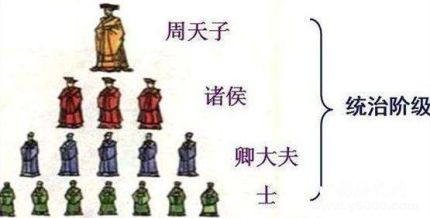
All kinds of laws and regulations, rites and music systems and ideological and moral norms contained in Zhou Culture became the ideological and political basis of China’s feudal rule for thousands of years and the source of Confucianism, which influenced the history of Chinese civilization for nearly 3,000 years after Zhou Dynasty.

In the ancient history of China, the rule of the Zhou Dynasty was very distinctive, and there were four main systems: feudalism, patriarchal clan system, well field system and ritual system, which had great influence on the future society.

Six, China Qin Dynasty (221-207)

1. Introduction to Qin Dynasty

The Qin Dynasty was the first unified dynasty in China’s history, which was developed by the State of Qin during the Warring States Period. Dafei, the ancestor of the Qin people, was a descendant of Zhuan Xu, the grandson of the Yellow Emperor, and was given a surname of winning.

Qin Wangzheng destroyed Korea, Zhao, Wei, Chu, Yan and Qi successively, thus completing the great cause of reunification. In the first 221 years, the king of Qin proclaimed himself emperor, which was called "Qin Shihuang" in history.

The Qin dynasty set up three officials and nine ministers in the central government to manage state affairs; Abolish the enfeoffment system locally and replace it with the county system; The implementation of books with the same language, cars with the same track, unified measurement. Attacking Xiongnu in the north, conquering hundreds of places in the south, building the Great Wall to repel foreign enemies, and digging Lingqu to connect the water system.

The establishment of centralization of authority laid the basic pattern of China’s political system for more than 2,000 years, and laid the foundation for the rule of China’s unified dynasty, so it was called "all generations practiced Qin politics and law".

The Qin Dynasty ended the 500-year-old separatist regime of princes since the Spring and Autumn Period and the Warring States Period, and became the first centralized state with multi-ethnic integration in the history of China. Which had a far-reaching influence on the history of China.

In the first 210 years, Qin Shihuang died of illness in a sand dune during his cruise (now northwest of Guangzong County, Hebei Province). His son Hu Hai acceded to the throne as Qin Ershi. Although the Qin dynasty had a great influence in history, it abused the people’s power and was unified only for more than ten years.

In the first 209 years, Chen Sheng and Wu Guang cut the wood for the soldiers, rose up, and the world responded. Liu Bang and Xiang Yu rose up against the Qin Dynasty. Before 207, Qin died.

2. Characteristics of the Qin Dynasty

Qin and Han dynasties were the "great unification" period that ended the melee situation in the Spring and Autumn Period and the Warring States Period. The stage feature of this period is the historical period of the formation and initial development of feudal society, and it is also the period when social politics changed from chaos to governance, and social economy changed from stagnation to initial recovery and development.

Politically, the political power is generally stable, but there are unstable factors. The political system is autocratic centralization of authority.

Economically: After the unification of the Qin Dynasty, it ended the situation of scuffle between the warring states and resumed production to a certain extent.

Ethnic relations: the relationship between Qin and Han dynasties and ethnic minorities was peace and war, peace was more than war, and ethnic relations were harmonious and friendly on the whole.

Culture: Due to national unity and production development, political and economic ties among ethnic groups have been strengthened, and science, technology and culture have also developed rapidly.

3. The historical significance of the Qin Dynasty

Qin Dynasty is the first unified centralized country in Chinese history, with Xianyang as its capital. The unification of the Qin Dynasty ended the long-standing situation in which the vassal regime dominated, which was conducive to the stability of people’s lives and the development of social production, and was in line with the common aspirations of the people of all ethnic groups at that time.
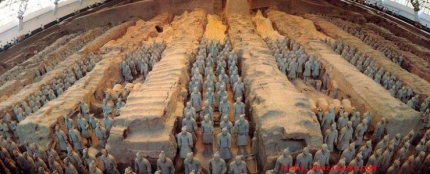
The territory of the Qin Dynasty, stretching to the sea in the east, west to Longxi, north to the Great Wall and south to the South China Sea, greatly exceeded that of the previous generation.

The Qin Dynasty was the first unified multi-ethnic county system country in the history of China.

Seven, China Han Dynasty (206 -8 years, 25 -220 years).

1. Introduction to Han Dynasty

The Han Dynasty is a unified dynasty after the Qin Dynasty, mainly divided into the Western Han Dynasty and the Eastern Han Dynasty, which lasted for 29 emperors and enjoyed the country for 405 years.

The Han Dynasty and the Peace Treaty were ranked as the advanced civilization and powerful empire in the world at that time. During the Han Dynasty, the scope of the Han Dynasty was established. At its peak, it was annexed to Korea in the east, Vietnam in the south, Qingling in the west and Gobi in the north, with a land area of about 6.09 million square kilometers. In AD 2, the population of the Western Han Dynasty reached more than 60 million, accounting for one third of the world at that time.

The Huaxia nationality has been called the Han nationality since the Han Dynasty, and the Han Dynasty also made great achievements in the field of science and technology. For example, Cai Lun improved papermaking and became one of the four great inventions in China, and Zhang Heng invented the seismograph and the armillary sphere.

2. Characteristics of the Han Dynasty

Han inherited the Qin system, and at the same time carried out the feudal system, which included the kingdom and the Hou state. These two parallel systems were also called "county state system". This practice laid a hidden danger to the central rule of the Western Han Dynasty. After quelling the rebellion of the kingdom and promoting the decree of mercy, the kingdom no longer poses a threat to the central government.

3. The historical significance of the Han Dynasty

The Han Dynasty was the second imperial dynasty with a county system in the history of China. Because the history of the first imperial dynasty, the Qin Dynasty, was too short to leave much experience for the Han Dynasty to learn from, so many ruling methods of the Han Dynasty need to be explored by themselves.

We can see that the Han Dynasty actually did quite well, although there were twists and turns, but after all, it operated for 400 years, leaving a rich legacy to the later dynasties.

With his pioneering spirit, brilliant martial arts, prosperous culture and technology, the Han Dynasty marked the youthful spirit and vitality of China’s unified dynasty, and his influence touched almost every level of the Han nationality, so that today, 2000 years later, we can still feel that we are still connected with him by blood, and we can still gain confidence and courage from the Han history.

Eight, Three Kingdoms, Jin and Southern and Northern Dynasties (220 -581)

1. Brief introduction of the Three Kingdoms, Jin, Southern and Northern Dynasties

The Three Kingdoms, Wei, Jin, Southern and Northern Dynasties were the most frequent periods of regime change in China’s history, which were mainly divided into Wei Dynasty (Cao Wei), Western Jin Dynasty, Eastern Jin Dynasty and Southern and Northern Dynasties. Due to the long-term feudal separatist regime and continuous wars, the development of China culture in this period was particularly affected. Its outstanding performance is the rise of metaphysics, the import of Buddhism, the prosperity of Taoism and the introduction of Persian and Greek cultures.

During the 360-odd years from Wei Dynasty to Sui Dynasty, and during the alternation of more than 30 dynasties, the development of Confucianism and the image and historical position of Confucius in this period became complicated as a result of the interaction and infiltration of many new cultural factors mentioned above.

2. Characteristics of the Three Kingdoms, the Jin Dynasty and the Southern and Northern Dynasties

(1) The feudal state was divided and the regime alternated frequently.

(2) The south is relatively stable and the economy of the south is developing.

(3) There are frequent wars in the north, and ethnic integration has been strengthened.

(4) The formation, development and decline of the gentry system.

(5) With the development of science and technology, Buddhism prevails.

3. The historical significance of the Three Kingdoms, the Jin Dynasty and the Southern and Northern Dynasties.

This stage of the Three Kingdoms, the Jin Dynasty and the Southern and Northern Dynasties is a period of national division and national integration in China’s feudal society.

It is between the Qin and Han Dynasties and the Sui and Tang Dynasties. It is not only the product of the aggregation and intensification of social contradictions in the Qin and Han Dynasties, but also the origin of the unification and prosperity of the Sui and Tang Dynasties. It serves as a link between the preceding and the following and occupies a special position and role in China’s feudal society.

Investigating the history of this period is of great benefit to our understanding of the relationship between division and unity in feudal society.

Nine, China Sui and Tang Dynasties (581 -907)

1. Introduction to Sui and Tang Dynasties

The Sui and Tang Dynasties, as the collective name of the Sui Dynasty (581-618) and the Tang Dynasty (618-907), were also the most prosperous periods in the history of China. It is two unified dynasties after two long periods: the Five Chaos and the Northern and Southern Dynasties.

More open in national thought. The two dynasties achieved unprecedented development in politics, military affairs, culture, economy and science and technology. The emperors in Sui and Tang Dynasties were more open-minded in governing the country, which also influenced neighboring countries to pay tribute and learn from China.

At its peak, the Sui Dynasty reached Liaoning in the northeast, Taklimakan Desert in Xinjiang in the west, the East China Sea in the east and northern Vietnam in the south. In the heyday of the Tang Dynasty, it reached the northern and outer Xing ‘an Mountains of Lake Baikal in the north, the Aral Sea in Central Asia in the west, Sakhalin Island in the east and northern Vietnam in the south.

2. Characteristics of Sui and Tang Dynasties

(1) Politics

A, the system innovation and the system of Tang-Cheng-Sui, such as the formation and development of the system of three provinces and six departments, the establishment and improvement of the imperial examination system, the evolution from the government military system to the recruitment system, the modulation of rent and commission and the implementation of the two tax laws.

B, from division to reunification.

C. Implement strong centralization.

(2) Economy

In the early stage, the rulers carried out the policy of paying taxes lightly and persuading farmers to teach mulberry. The transportation was developed, the domestic ethnic groups had close contacts, and the domestic and foreign exchanges were needed, and the economy was unprecedentedly prosperous.

(3) Social life

Great changes have taken place in social life, and an inclusive, colorful and open social atmosphere has emerged.

(4) Culture

Eclectic, multi-ethnic, extensive and profound, all-round prosperity, leading the world.

(5) Foreign communication

The transportation is developed, and the land and maritime Silk Road are relatively smooth. The government has adopted a relatively open foreign policy, and foreign exchanges have become more frequent than ever before.

(6) Ethnic relations

The rulers, especially those in the early Tang Dynasty, pursued a relatively open ethnic policy, and the contacts between the Han nationality and the frontier ethnic groups were unprecedented. The frontier ethnic groups developed greatly, and their relations with the central government were closer, and the unified multi-ethnic country was further developed and consolidated.

The outstanding characteristics of Sui and Tang Dynasties are: this is an era of great change and openness; The development of politics, economy and culture in Sui and Tang Dynasties influenced many countries in Asia, especially in East Asia, and formed China cultural circle.

3. Historical significance of Sui and Tang Dynasties.

Sui and Tang Dynasties made dazzling achievements in developing economy, culture, strengthening ethnic relations and strengthening international exchanges, which made China’s history reach its second peak. The history of the late Sui and Tang Dynasties opened a clue for the great changes in China feudal society. Sui and Tang Dynasties were indeed an extraordinary era.

Ten, Five Dynasties and Ten Kingdoms Period (907 -979)

1. Introduction of Five Dynasties and Ten Countries

The Five Dynasties and Ten Kingdoms is a period of great division in the history of China. This title comes from the New History of the Five Dynasties, which is a combination of the Five Dynasties (907-960) and the Ten Kingdoms (902-979).

The Five Dynasties refer to the five dynasties whose capitals were in the Central Plains after the collapse of the Tang Dynasty in 907, namely, Houliang, Houtang, Houjin, Houhan and Houzhou. In 907 AD, after the collapse of the Tang Dynasty, Zhu Wen established a back beam in the Central Plains, with Kaifeng Prefecture in Tokyo as its capital (now Kaifeng, Henan Province), and the Five Dynasties and Ten Kingdoms began. In 960, Zhao Kuangyin launched a mutiny in Chen Qiao in the latter Zhou Dynasty, and the Northern Song Dynasty was established after the usurpation of the latter Zhou Dynasty, and the Five Dynasties ended.

At the end of the Tang Dynasty, the Five Dynasties and the beginning of the Song Dynasty, there were many separatist regimes outside the Central Plains. Among them, more than ten separatist regimes, such as Qianshu, Houshu, Nanwu, Nantang, wuyue, Fujian, Chu, Nanhan, Nanping (Jingnan) and Beihan, were collectively referred to as "Ten Kingdoms" by the New Five Dynasties History and later historians. After the establishment of the Northern Song Dynasty, the remaining regimes of Jingnan, Wuping, Houshu, Nanhan, Nantang, wuyue and Beihan were unified successively, which basically achieved national reunification.

2. Characteristics of the Five Dynasties and Ten Kingdoms

Compared with the Three Kingdoms, the Sixteen Kingdoms in the Eastern Jin Dynasty and the Southern and Northern Dynasties, the ten kingdoms in the Five Dynasties have remarkable characteristics in the form of separatism:

(1) The status of the Central Plains Dynasty in the Five Dynasties.

(2) The differences in political relations between the Ten Kingdoms and the Central Plains Dynasty.

(3) "Protecting the environment and saving the people" is the main theme of the domestic and foreign policy of the southern separatist regime.

These characteristics of the separatist regime have had a great influence on the process of national reunification. First of all, the status of the Central Plains Dynasty determines that the cause of reunification is bound to be completed by the Central Plains Dynasty, just waiting for the opportunity.

Secondly, the differences in political relations between the ten countries and the Central Plains dynasty and the policy of "protecting the environment and benefiting the people" of the southern separatist regime made the various separatist forces in the south form a pattern of checks and balances, and prevented the south from taking the lead in reunification and forming a confrontation situation between the South and the North again, thus accelerating the process of reunification.
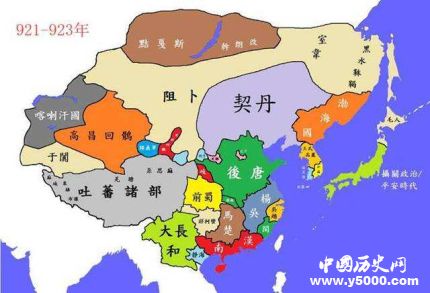
3. Historical significance of Five Dynasties and Ten Countries

(1) The Five Dynasties and Ten Kingdoms is the product of the historical decline of the Tang Dynasty. Since the Anshi Rebellion and Huang Chao’s anti-Tang Dynasty, the prosperous Tang Dynasty has entered an irreversible decline, and then history has staged an overlapping process of belligerence and defeat. Therefore, the Five Dynasties and Ten Kingdoms is not a new historical stage, but only a time-space portrayal of the Tang Dynasty’s prosperity and decline, extreme division and inability to return to heaven.

(2) The founders of the Five Dynasties and Ten Kingdoms were all military strategists, who were brave and foolhardy, and relied on the meritorious military service to favor the king. Most of their heirs were men without great talents. The northern dynasties all died in two generations, and the war was endless. In addition, the Qidan plundered, the Central Plains completely disappeared the political, economic and cultural prosperity pattern created in the prosperous Tang Dynasty, and thus lost its consistent cultural core position since the Spring and Autumn Period.

On the other hand, the ten southern countries, far away from the Central Plains, zoned land for prison, maintained a relatively stable situation, and inherited the legacy of the Tang Dynasty, and were fortunate enough to retain the fire of Tang Wenhua, thus starting a new pattern of leading China culture.

(3) In the Five Dynasties and Ten Kingdoms period, the culture of the prosperous Tang Dynasty began to differentiate from the majestic whole in the social and historical context of the kings’ separatist regime, especially in the south, and gradually became mature and meticulous in the hands of literati, with extremely distinctive regional cultural characteristics of Jiangnan water towns.

As a result, the "Tang and Five Dynasties Culture" was formed, which was a cultural transition stage with unique social and historical characteristics and vivid regional characteristics, and thus constituted the forerunner of the Song Dynasty culture and its cultural forms.

(4) The culture of the Tang and Five Dynasties has a prominent "eschatological complex": on the one hand, it gives vent to the satisfaction of eating, drinking, and enjoying in time, on the other hand, it is full of perplexity, pain, sadness, despair and other emotions that are hard to get rid of.

On the one hand, it gave up the mission of social morality and turned back to the internal observation of itself, on the other hand, it showed its resentment against reality and struggle. On the one hand, it turns to folk customs, on the other hand, it pursues spiritual detachment and dust-free.

In a word, these are typical features of "eschatological complex" in China’s classical culture, and they are vividly reflected in the culture of Tang and Five Dynasties.

Xi. China Song Dynasty (960 -1279)

1. Introduction to Song Dynasty

Song Dynasty is a dynasty in the history of China, which inherited five dynasties and ten countries and started the Yuan Dynasty. It was divided into two stages: the Northern Song Dynasty and the Southern Song Dynasty, and it lasted for 18 emperors and enjoyed the country for 319 years. Song Dynasty is an era of high prosperity in commodity economy, culture, education and scientific innovation in the history of China.

Neo-Confucianism emerged in the Song Dynasty, Confucianism was revived, science and technology developed rapidly, politics was enlightened, there was no serious eunuch dictatorship and warlord regime, and the number and scale of mutiny and civil unrest were relatively small in the history of China.

Chen Yinque said: "The culture of the Chinese nation has evolved for thousands of years, and it was the culmination of the Zhao and Song Dynasties." There are not a few scholars in western and Japanese historians who think that Song Dynasty is the Renaissance and economic revolution in China’s history.

The Song Dynasty was founded more than 300 years ago, and it was overturned twice, all due to foreign invasion. It was the only dynasty that did not die in civil strife.

2. Characteristics of the Song Dynasty

(1) Farming and pastoral cultures are gradually merging (farming and nomadic cultures are fighting and negotiating with each other);

(2) Prosperous urban commerce (the traditional market structure has been broken);

(3) Colorful literature and art (the world of literati appeared);

(4) Extremely prosperous traditional science and technology (the model and peak of ancient science and technology in China);

(5) Frequent exchanges between China and foreign countries (in the heyday of Sino-foreign relations, there was an unprecedented situation of opening up and exchanges)

3. The historical significance of the Song Dynasty

The Song Dynasty was a unified feudal dynasty established after the Five Dynasties. Influenced by traditional ideas, people often call it "weak Song". However, Deng Guangming and Qi Xia, famous experts in the history of the Song Dynasty, all believed that the Song Dynasty was the peak of China’s feudal society.

Politically, the imperial system of the Song Dynasty had a great influence on later generations, and its outstanding phenomenon was the elimination of the separatist regime of the buffer region, which further formed a unified multi-ethnic country, the autocratic centralization of authority of the Song Dynasty, which was inherited by the Yuan, Ming and Qing Dynasties.

In agriculture, the population of Song Dynasty exceeded 100 million, twice as much as that of Han and Tang Dynasties, and the agricultural productivity was greatly improved.

The handicraft industry has made great progress, and the commodity economy has developed prominently, among which the relationship between commodity and currency has made remarkable progress and the maritime trade has never been developed before.

In terms of culture and science and technology, the three great inventions were perfected or invented in the Song Dynasty, which had a great influence on the world. Outstanding achievements have been made in literature, history, education and philosophy.

In a word, the Song Dynasty was at an extremely important stage in the overall process of China’s historical development in terms of economy, politics and culture.

XII. China Yuan Dynasty (1271 -1368)

1. Introduction of Yuan Dynasty

The Yuan Dynasty was founded by Mongolians, which was the first unified dynasty established by ethnic minorities in the history of China. The capital of Dadu (present-day Beijing) was handed down to the Fifth Emperor and the Eleventh Emperor, which lasted for 98 years.

2. Characteristics of the Yuan Dynasty.

(1) a unified multi-ethnic feudal country was consolidated and developed.

The Yuan Dynasty unified the whole country with an unprecedented vast territory; The provincial system has been implemented, and the central authorities have exercised jurisdiction over Tibet, Taiwan Province, Yunnan and other border areas.

(2) The feudal economy continued to develop.

Widespread planting of cotton has promoted the development of cotton textile industry; The smooth transportation of water and sea has promoted economic exchanges; Most of the larger cities are prosperous; Quanzhou’s foreign trade is developed.

(3) frequent exchanges between China and foreign countries

Caravans and envoys from Asia, Eastern Europe and Africa came in an endless stream. Italian Kyle Poirot has lived in China for more than ten years; Gunpowder and gunpowder weapons spread to Europe through Arabs; Quanzhou is the largest foreign trade port.

(4) ethnic integration has been further strengthened.

The Han people have contributed to the development of the frontier, and a large number of ethnic groups in the frontier have moved to the mainland to live together with the Han people. The Khitan, Nuzhen and other ethnic groups who originally entered the Central Plains have merged with the Han nationality; A new minority, the Hui nationality, has been formed. However, the policy of ethnic differentiation in Yuan Dynasty played a negative role in social development.

3. Historical significance of Yuan Dynasty.

In the Yuan Dynasty, Shangshu Province and Menxia Province were abolished, while Zhongshu Province, Privy Council and Yushitai were kept in charge of politics, army and supervision, and the provincial system was implemented locally, which was the first of its kind in China.

The Yuan Dynasty also carried out many malpractices, such as various policies, casting system, expelling system, craftsman system, no system of membership, human sacrifice, curfew, sea ban, etc., which interrupted the process of reform in the Tang and Song Dynasties and profoundly reshaped the history of China after the Song Dynasty.

XIII. China Ming Dynasty (1368 -1644)

1. Introduction of Ming Dynasty

The Ming Dynasty was a unified dynasty established by the Han nationality, which passed down to sixteen emperors and enjoyed the country for 276 years.

In the Ming Dynasty, the territory included Han, and in the early Ming Dynasty, the northeast reached the Sea of Japan and the outer Xing ‘an Mountains, and then it was reduced to the Liaohe River Basin. Reach Yinshan in the north and retreat to the Ming Great Wall; West to Hami, Xinjiang, and then retreat to Jiayuguan; It faces the Bay of Bengal in the southwest and then turns back to Yunnan today. He also set up a detention center in the Qinghai-Tibet region and recovered Annan.

In the Ming Dynasty, handicraft industry and commodity economy flourished, commercial market towns and capitalism sprouted, and culture and art showed a trend of secularization. According to Records of the Ming Dynasty, the peak population was 71.85 million, but most scholars thought it actually exceeded 100 million, and some scholars pointed out that the population in the late Ming Dynasty was close to 200 million.

The Ming Dynasty was the golden age after the Han and Tang Dynasties. There are no consorts of the Han dynasty, the buffer region of the Tang dynasty, and the old coins of the Song dynasty. The emperor guards the country and the king dies. Emperor Kangxi of the Qing Dynasty rated Ming Taizu as "Ruling the Tang and Song Dynasties", and The History of Ming Dynasty rated Ming Chengzu as "Yuanmai Han and Tang Dynasties".

2. Characteristics of the Ming Dynasty

The absolute monarchy has been strengthened unprecedentedly; The commodity economy developed unprecedentedly in the middle and late Ming Dynasty. The seeds of capitalism have emerged; Political corruption, high concentration of land, continuous peasant uprising and gradual decline. In the ideological field, anti-feudal thoughts, at the same time, the fields of literature and art are bound to have anti-feudal colors.

3. The historical significance of the Ming Dynasty

(1) from the perspective of worldwide influence.

In the early Ming Dynasty, through Zheng He’s voyages to the Western Seas, countries from Southeast Asia to the Persian Gulf were connected, and China’s influence was enhanced. This should be the last time that China took the initiative to communicate with the West after the Tang Dynasty, which is of great significance.

Then, the Japanese pirates were rampant in the southeast, which led to the implementation of the policy of closing the country to the outside world, which affected the Qing Dynasty and eventually accelerated the demise of the feudal dynasty in China.

(2) from the perspective of economic development

The Ming Dynasty was the seed of capitalism in China, which was also an important stroke in the history of China. Although the germination of capitalism in China was only a flash in the pan, the historical position of the Ming Dynasty could not be denied.

(3) from the territorial theory

The territory area of the Ming Dynasty, though not the largest in China history, is basically the main activity area of Han people now. Although the territory was further expanded after the Qing dynasty entered the customs, the territory of the Ming dynasty was also very large.

(4) from the political system.

The Ming Dynasty abolished the prime minister system in China for thousands of years, and the centralization of monarchy was further improved. In addition, the cabinet system of the Ming dynasty and the three provinces and six departments have been used until the Qing dynasty. The political system of the Ming Dynasty is an important part in the history of China.

Fourteen, China Qing Dynasty (1616-1912)

1. Introduction to Qing Dynasty

The Qing Dynasty (1616-1912) was the last feudal dynasty in the history of China, with 12 emperors, totaling 296 years. It was 276 years since the name of the country was changed to Qing Dynasty. It is 268 years since the Qing soldiers entered the customs and established national political power.

After the Opium War, it was invaded by foreign powers, and its sovereignty and territory were seriously lost. It also began the exploration of modernization, and carried out modernization reforms such as the Westernization Movement and the Reform Movement of 1898. The Sino-Japanese War and Eight-Nation Alliance’s invasion of China further deepened the national crisis.

In the late Qing Dynasty, China was completely reduced to a semi-colonial and semi-feudal society. On February 12, 1912, Yuan Shikai, the minister of Beiyang, induced Pu Yi, the Qing emperor, to abdicate, issued an abdication edict, and realized the Republic of the five ethnic groups, thus ending the Qing Dynasty.

2. Characteristics of the Qing Dynasty

The Qing army carried out shaving and changing clothes politically, and militarily attacked the peasant army and Nanming regimes, and gradually occupied China. Then, after three dynasties in Kang Yong, it developed to Dingfeng. During this period, the unified multi-ethnic country was consolidated, which basically laid the territory of China, and at the same time, the autocratic monarchy reached its peak.

However, in the middle and late period, due to political rigidity, cultural autocracy, closed doors and ideological stagnation, it gradually fell behind the world. The Sino-British Opium War broke out in 1840, which was invaded by foreign powers and seriously lost sovereignty.

3. The historical significance of the Qing Dynasty

Kang Yong’s three dynasties reached its peak, during which the traditional society of China made unprecedented development achievements. It was unified and consolidated in a multi-ethnic country, and the rulers of the Qing Dynasty unified the Mongolian ministries, incorporated Xinjiang and Tibet into the territory, and implemented the policy of returning land to the southwest. Finally, the modern territory of China was determined, and the integrity of the country’s territorial sovereignty was actively safeguarded.

However, feudal autocracy also reached its peak, and gradually fell behind the west in the middle and late period due to political rigidity, cultural autocracy, and closed doors.

Source: China History Network

Exclusive: Karry Eleanor Nortel Re-examination Security Upgrade Fans Fall.

1905 movie network news On February 18th, TFBOYS Karry and "Apple Girl" Eleanor appeared in Beijing Film Academy to take part in the second interview of the Performance Academy. Although all parties are blocking the news this time, there are still many fans in Karry crouching at the scene, and some people accidentally fell down during the process of blocking idols. In order to reduce the "riots" index, Karry remained silent that day, and quickly entered and left under the escort of bodyguards. Unlike Karry, another star candidate, Eleanor, played and sang generously, showing his talents on the spot.


Karry Nortel’s second interview was followed by fans who entered and left normally, but still said nothing.


On February 10th, Karry was besieged by hundreds of fans, media, melon eaters, etc. during the initial test of Nortel. An "art test" was staged on the campus of Beijing Film Academy, and some people were trampled off their shoes and torn their clothes, which caused great chaos at the scene. Fans not only filled every corner of the school, but also squatted on the periphery, surrounded the Beijing Film Academy layer by layer, and finally "scared" Karry to slip away directly from the back door.


Recently, the news that Karry entered the second interview of Nortel spread like wildfire, and many fans began to itch to try again. Perhaps because the last scene was too crazy, the time of Karry’s second-round exam was blocked by all parties, but there are still many fans who crouch down every day. It is reported that on the first day of the second test of Nortel on February 17, many media and fans all lost their breath.


In the early morning of February 18th, Karry finally appeared at the Beijing Film Academy, and quickly lined up to enter the examination room. About two hours later, Karry finished his exam. Different from the initial test, Junkai baby did not slip away from the back door this time, but walked out of the examination room from the main entrance like other candidates. Karry didn’t respond to the media’s question about "how did you do in the exam?" He remained calm and silent, and quickly left school under the escort of bodyguards. It is worth mentioning that white is really wuli Junkai’s favorite. Just like the first test, Karry chose a different style of white down jacket for the second test. He also continued to wear a black mask, but the red scarf was missing from the first test.


On the same day, the Beijing Film Academy also intends to improve the security index, and it needs admission tickets or press cards to enter the school, effectively "shielding" most fans and onlookers and ensuring the safety of the examination room. However, a small number of FANS managed to get into the campus. After seeing the idol Karry, they were quite excited, shooting crazily all the way, and some fans fell down.


"Apple Girl" Eleanor played and sang the original song Guizhou Sisters Flower Show Dance Talent.


It is worth mentioning that Eleanor, the "Apple Girl", also had a second interview at the Beijing Film Academy that day. This versatile sweet girl is lively and lovely, and she also sang her own song Together on the spot. Her voice is beautiful and full of emotion. For the second interview, Eleanor thinks that he played well.


As a Singaporean female singer and actress, Eleanor’s career in performing arts is quite smooth. At the age of 16, she filmed a micro-film directed by the famous director Xu Anhua, and then she appeared in the TV series "Mu Yun Ji on the Sea" and sang the theme song of the hit drama "Qing Yun Zhi", which is well known to everyone. But Eleanor doesn’t see herself as a star. She said, "I don’t think I’m much different from other students. I never see myself as an artist. Of course, I also know that many viewers are supporting me, so I will do my best not to disappoint everyone. "


Eleanor revealed that she spent four months preparing for the art test of Chinese Opera and Nortel, and conducted performance training for more than one month. She also admitted that she was still super nervous during the test. "When I was a child, I loved painting and wanted to be a painter or designer. Later, I fell in love with music and wanted to be a singer. Then I had the opportunity to shoot an Apple commercial, and I began to like acting. But I never knew what the art test was like, and I didn’t know that recitation should be exaggerated. I was super nervous when I first tried it, sweating and shivering all the time, and the second interview was more open. At present, I have completed the second test of Chinese opera and Nortel, and now I am waiting for the result. "


On the same day, a pair of "sister flowers" from Guizhou, Tang Ziqi and He Hongfo, caught our attention. They were both students from the same training school, and both of them entered the second interview of the broadcasting major of Beijing Film Academy and Zhejiang Media College. When it comes to competing with stars for admission places, the two white candidates said in unison that there is no pressure. "This is a very fair stage to show themselves. Although (star candidates) have more experience than us, we have worked hard and paid a lot for it, so we won’t feel pressured. Everyone just tries their best."
 

Two beautiful candidates also admitted that they had prepared for the art test this year for more than half a year, and worked hard for their dreams every day. "We are going to practice at school at 7: 30 every day, and leg press will open his voice, etc., until 9: 30 in the evening. After returning home, I have to practice, including practicing broadcasting news, script and so on. " He Hongfo said, "After the art test, I found that every star is not easy. The road we are taking now is what they have experienced, and they can achieve today’s height and pay more than us. I admire every artist." Tang Ziqi also has the same feeling. "The actors and stars who have been in Nortel before have achieved such achievements today by their own strength. It is really hard to be an actor!"
 

Tang Ziqi said with a smile, there is a road called "the road to the examination room". As art candidates, they need to take all kinds of examinations for their dreams. Tonight, she will fly to Shanghai to prepare for the second interview of the next day’s play. Let’s wish Tang Ziqi and He Hongfo good results here, and also wish all the art test candidates that their dreams can come true!

Sun Honglei: From a rogue to a wise man, what is the meaning behind his three-year silence?

Foreword:

With the continuous voice of social media, Sun Honglei’s name has once again sparked heated discussion. Three years ago, he was told to stay away from the screen because he emigrated overseas, followed by all kinds of voices of "no drama to shoot". However, the passage of time reveals the truth: Sun Honglei’s silence is actually his active exploration for deeper meaning of life and self-worth. As a tough guy, what did Sun Honglei learn during this time? What kind of story is hidden behind his choice?

Early experience: Tough and tough.

Sun Honglei was born in a poor family in Heilongjiang on August 16th, 1970. The financial troubles of his family cast a shadow on his childhood. His father is a teacher, and his meager salary can hardly support the livelihood of a family of five. In order to support the family, the mother had to borrow money and collect garbage to survive. Such a living environment made Sun Honglei temper his indomitable character from an early age.

In the fourth grade, due to family constraints, Sun Honglei often had to wait for two hours to eat after school, and even needed to solve the problem of food and clothing by himself. This difficult experience not only made him deeply understand the difficulty of life, but also cultivated his love for art in a subtle way. When the craze for break dancing swept through, he found his passion instantly at a young age. Although he was discovered by the teacher because of skipping class practice, his talent and understanding made him win the runner-up in the second national break dance competition.

Such outstanding achievements enabled him to join the China Song and Dance Theatre and started his artistic career. But in the pursuit of dance, Sun Honglei gradually realized that his real love was actually performance. Encouraged by Niu Zhenhua, he enrolled in China Theatre Academy and started a new life journey.

Acting career: the transformation and challenge of tough guys

Sun Honglei’s acting career can be said to be brilliant, starting with his role as the underworld boss Liu Huaqiang in Conquest. From that moment on, his acting skills have been widely recognized by the audience and become the representative of the "first tough guy" in the entertainment circle in the mainland. Liu Huaqiang’s role not only won him numerous fans, but also branded him as a "tough guy" to some extent.

Then, Sun Honglei played the role of Yu Zecheng in Latency, which made him get rid of the shadow of Liu Huaqiang successfully. Yu Zecheng’s softness and firmness let the audience see the versatility as an actor. He won many awards such as Magnolia Award, Flying Award and Golden Eagle Award for this role. Although his acting skills are becoming more and more exquisite, Sun Honglei’s image in the audience’s mind is still solidified above the tough guy, making it difficult for him to choose a role.

With the passage of time, Sun Honglei is eager to break through this image limitation. In 2014, he participated in the variety show Extreme Challenge, which made him show another humorous, witty and somewhat naughty image in front of the audience. This contrast not only surprised the audience, but also made him gain a higher reputation in the variety circle and became a star known as "Yan Wang" and "Sun Beauty". However, in Detective 3, 52-year-old Sun Honglei once again showed a different face, full of energy, and let people see his infinite possibilities.

Three years of silence: self-exploration and inner growth

However, in this glory, Sun Honglei chose to retire temporarily, and many people even began to rumor that he emigrated overseas. His move puzzled many people: Is it to escape the pressure or to explore himself at a deeper level? Faced with these rumors, Sun Honglei clarified his position: he is not an immigrant, but to accompany his wife to travel abroad. He emphasized the deep affection between himself and his motherland and had no intention of emigrating.

In the three years of silence, Sun Honglei has not been idle. His disappointment with the status quo of the entertainment industry prompted him to be critical of the script, preferring to lack rather than abuse. He once said in the media that he would not come out until he met a worthwhile script. At the same time, he also began to accumulate strength for the creation of new scripts, to precipitate himself and release his mind. During this time, he climbed mountains, kept fit and enjoyed the moon. Life seemed simple but contained his inner peace and thinking.

External evaluation: controversy and support coexist

Although Sun Honglei is sure about shaping the public image, his past emotional affairs with Ding Jiali still troubled him to some extent. The relationship between the two has caused a lot of discussion, and many netizens have questioned his emotional outlook. Ding Jiali’s way of bowing his head for opportunities in public opinion was frequently criticized, which led to constant disputes. Despite the noise of the outside world, Sun Honglei still insists on himself and tries to be open-minded. He proved his innocence through his actions, and he is constantly trying to shape his true self.

Summary: stick to yourself and pursue inner value.

Sun Honglei, as a tough guy who has never compromised in the changeable entertainment circle, has interpreted what is the true self in his own way. In the conflict between flow and art, his firm choice of performance career is touching. He knows that an actor’s work is his own soul and should not be confined to a single role image. His three-year silence is not only a respect for his career, but also a pursuit and reflection on the meaning of life.

In this impetuous society, Sun Honglei’s persistence and exploration remind each of us: in life, only by knowing the true desire of the heart can we pursue our true self. In the future, he will surprise the audience with richer images and deeper acting skills, and all this is the direction guided by the bright and sensible person in his heart.

Editor in charge:

Russian double-headed political variation: the prosperity of Putin era is over

  The financial crisis gave Medvedev a chance to challenge Putin. In the past few weeks, Medvedev has completed the path of democratization that Russia has not taken in the past years. His new act is obviously at odds with Putin, who is famous for his iron fist style.


  Text/Gong Quan


  The first anniversary of Medvedev’s presidency of Russia, Russians have already suspected that the Mapp group is moving towards division. This suspicion came from the western world earlier, because there is almost no long-lasting "double-headed politics" in Russian political history.


  In the past two months, Medvedev criticized Putin’s government twice in public for being too slow and inefficient in the economic crisis. These statements not only exposed the real economic situation in Russia to the world, but also pushed himself to the political front of Russia.


  The prosperity of Putin’s era is over.


  In the past nine years, Putin has been a hero of Russia and his authority is unshakable. Yeltsin also had such a golden age, although it was relatively short. The crisis in 1998 brought the status and prestige of then Russian President Yeltsin to the lowest point. Today’s financial crisis has led to demonstrations in many cities in Russia. The opposition pointed its finger at Putin, saying that Putin failed to cope with the crisis and asked him to take the blame and resign.


  Deriagin, a Russian economist, believes that "the economic prosperity in Putin’s era has ended, and part of the reason for this situation is the financial crisis, but it is mainly because the Russian government has not adjusted its economic structure and reduced its dependence on oil in recent years".


  The "oil economy" is the straw for Russians to get rid of the economic crisis in the 1990s, and it is also the magic weapon for prosperity in the Putin era. It made "Putinism" warmly welcomed, and it gradually evolved into a symbol of restoring the glory of the empire. Its singleness is suitable for Putin’s economic principle of "controllable management" and political principle of "democratic sovereignty", but it does not conform to the diversified economic development principle in the era of globalization.


  During Putin’s eight years in power, oil export has provided capital for Russian economic development, and it has gradually become a locomotive for Russian economic development. However, over-reliance on the export of energy products to promote economic development has also laid a hidden danger for the Russian economy, which makes the Russian economy vulnerable to international economic fluctuations.


  According to the data of Russian Ministry of Finance, from 2000 to 2007, Russia gained a total of 475.7 billion US dollars in foreign exchange reserves by rising oil prices, of which 72% was used for state finance and the rest was used for government current account expenditure.


  However, due to the impact of the Wall Street financial crisis in the United States, the price of international futures crude oil fell rapidly, and the Russian capital market fluctuated violently. In November 2008 alone, Russia’s foreign exchange reserves shrank by 28.87 billion US dollars, and the ruble also depreciated rapidly.


  At present, among the three major international credit rating agencies, except Moody’s, Russia’s foreign exchange market has a positive rating, and the other two S&P and Fitch have given negative ratings.


  "Because the financial crisis is highly contagious to the global capital market and the real economy, it is difficult for Russia to be immune from the economic crisis, while the Russian economy is dominated by a single energy export, and it may face a more serious impact than other countries." Professor Wang Ning, an expert on Russian issues at Shanghai International Studies University, commented on China Newsweek.


  At present, the price of Russian Urals crude oil is the main basis for the Russian government to make economic policies, but it also makes Russian economic policies contain many uncertainties. In 2009, the Russian government’s budget was calculated at an average price of $95 per barrel, and in 2011 it was $88.


  However, on March 13th, new york international crude oil futures traded at $46.25 per barrel. This also gives people reason to worry that if this situation continues, the Russian government deficit will continue to expand. The economic stimulus plan formulated by the government cannot be unaffected.


  Earlier, the British "Guardian" published a heavy news that Putin was considering stepping down. There are rumors that Putin is considering resigning as prime minister in order not to make himself the focus of public dissatisfaction.


  Medvedev’s road to democratization


  Since Medvedev was elected president of Russia, it has been predicted that he will only be in office for about 18 months, and then he will step down, paving the way for the current Prime Minister Putin to return to the presidency.


  One of the most noticeable decisions after Medvedev took office was to go to war with Georgia. However, during the war between Russia and Georgia, people saw more Putin than Medvedev on TV.


  But the financial crisis gave Medvedev a chance to challenge Putin.


  "Our actions are too slow, which is unacceptable in times of crisis. The problem is not the disintegration of macroeconomics or global finance, but the action is not fast enough and the efficiency is not high. " On February 20, 2009, Medvedev publicly criticized the government’s performance in the economic crisis at a meeting in Irkutsk, the eastern Siberian city. Medvedev asked the Russian government to improve administrative efficiency and convey the economic plan to the Russian people more clearly and concretely.


  According to the statistics of the Russian Federal Statistical Office, the industrial production value of Russia fell by 16% in January, reaching a record high. The CPI is still as high as 13.9%.


  While expressing his dissatisfaction with the government, Medvedev also started a series of actions of "changing blood" by the government.


  Due to dissatisfaction with the local government’s actions in the economic crisis, Medvedev removed the posts of governors of four Russian states, all of which were nominated by Putin, and the newly appointed governors also included non-ruling party members. Medvedev hoped to restructure the local economy through the method of "changing blood".


  Local government affairs are an important symbol of Putin as a "real prime minister". Russia’s political tradition is that the local chief executive is appointed and removed by the president, and local affairs are handled by the president’s office. However, Putin signed a decree on the eve of leaving office as president, stipulating that the annual report of the local chief executive should be submitted to the government first, and the prime minister should make an evaluation result before submitting it to the president.


  Regarding this personnel change, Medvedev made an "early warning" before. He once pointed out in a televised speech that the Kremlin will not turn a blind eye to officials who are "incompetent, lazy and dereliction of duty".


  According to the ITAR-TASS news agency, on March 13th, Russian President Dmitry Medvedev appointed young Ye Linna Cisco Linnik as the new Minister of Agriculture to replace Gordeyev. Prior to this, Gordeyev had served as Minister of Agriculture for nearly 10 years.


  Ye Linna Cisco Linnik is a CEO with a double degree in medicine and business management, a typical elite outside the political circle. According to Russian media reports, Medvedev’s new candidate has been well received by Russian industrialists. Ye Linna Cisco Linnik will therefore become the first female agriculture minister of the Russian government.


  In the past few weeks, Medvedev has completed the path of democratization that Russia has not taken in the past years.


  He vetoed the Duma’s proposal to expand treason; Resume the operation of the Russian Human Rights Council and appoint new candidates; It is required to improve prison conditions and encourage prisoners to use electronic handcuffs (which look like bracelets and can determine the location of prisoners) instead of custody; Lower the threshold of the Duma, give more power to smaller political parties, meet with independent media representatives and appoint opposition figures.


  On March 10th, Medvedev presided over the working meeting of the Russian Anti-Corruption Commission for the first time, and made the fight against corruption the focus of his work. On the same day, he also signed a five-year draft administrative reform of the Russian government, aiming at improving the administrative efficiency of the government.


  For Russians with liberal ideas, they think that with the passage of time, the president who has never served in military service is opening up his own new political path and taking a more liberal route than his predecessor.


  They haven’t split yet.


  However, under the current economic situation, Russia needs Mapo’s cooperation more than ever to stabilize economic and social development. The reality also shows that "Mapp combination" continues to play a role.


  "There may be cracks in the political relationship between Mapp, but it hasn’t split yet. Because there is no obvious conflict between Mapp under the current conditions. " Robert Cutler, a Russian expert at Carreton University, told China Newsweek.


  Timakov Wa is Medvedev’s press spokesman. Whenever the media asks her about the differences between Medvedev and Putin, she always gives the same answer, and her answer is the same as what Putin said at first: the working relationship between the president and the prime minister is just as stipulated in the Constitution, and their rights and responsibilities are clearly defined.


  At present, there is no report about Putin’s "counterattack" against Mei. After Medvedev expressed dissatisfaction with the Russian government’s economic actions, the Russian government actively took measures, on the one hand, to introduce the measures currently implemented in Russia more clearly, on the other hand, to increase the implementation of economic policies.


  On March 11th, after introducing a series of economic measures taken by the Russian government to the coal miners of state-owned coal mining companies, Putin said at the meeting between the government and the regional development committee that the Russian government’s economic assistance to the region would rise to 300 billion rubles (about 8.57 billion US dollars). He asked local governments to conscientiously perform their duties and make good use of every penny to prevent repeating previous mistakes.


  Russians are increasingly unable to judge who is in charge of decision-making. According to a survey conducted in March this year, 12% of Russians believe that Medvedev has the final say, and another 34% believe that Putin still plays a major role in Russian affairs. In addition, half of people think that Putin and Medvedev are equally divided in power sharing. ★

Editor: Wang Yuxi